
1. Executive Summary
The pasteurizer tunnel is core continuous thermal treatment equipment for bottled and canned beer and beverages. It uses gradient temperature zones to complete preheating, pasteurization holding, gradual cooling and drying, achieving commercial sterility while preserving flavor, carbonation and nutrition.
A beer tunnel pasteurizer is specially optimized for bottled/canned beer to protect foam, aroma and taste stability. A beverage tunnel pasteurizer serves juices, tea drinks, RTD coffee, dairy drinks, CSDs and other non-alcoholic products.
Supported by data from Grand View Research 2025:
- Global tunnel pasteurizer market reached USD 458 millionin 2024
- CAGR of 2%from 2025 to 2031
- More than 78%of medium-to-large breweries and beverage plants adopt tunnel pasteurization as standard post-packaging sterilization solution
This white paper systematically explains working principles, structural design, heating modes, process parameters, selection criteria and maintenance methods, providing engineering guidance for manufacturers.
2. What Is a Pasteurizer Tunnel
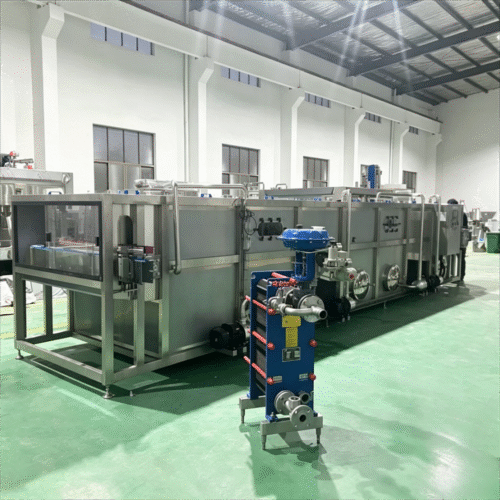
- Glass bottles
- PET bottles
- Aluminum cans
- Continuous production
- Uniform heating
- Low bottle breakage rate
- High automation
- Strong compatibility with high-speed filling lines
3. Core Working Principle & PU Calculation Science
3.1 Pasteurization Mechanism
Mild thermal treatment (60–72°C) inactivates vegetative microorganisms, yeasts and molds without destroying heat-sensitive components.
3.2 PU (Pasteurization Unit) Definition
1 PU = 1 minute at 60°C.
The internationally recognized formula from MBAA (Master Brewers Association of the Americas):
PU = t × 1.393^(T−60)
- t = holding time (minutes)
- T = product core temperature (°C)
3.3 Standard PU Requirements
- Beer: 15–30 PU
- Juice/tea drinks: 10–25 PU
- Dairy beverages: 12–20 PU
- Low-acid functional drinks: 20–30 PU
4. Structural Composition & Temperature Zoning Design
Modern pasteurizer tunnel usually has 5–12 independent temperature zones, all made of food-grade SUS304 stainless steel.
4.1 Standard Zones
- Preheating Zone
- Temperature: 35–50°C
- Gradient heating avoids thermal shock and bottle breakage
- Uses recycled hot water for energy saving
- Heating & Holding Zone
- Temperature: 60–65°C (beer); 82–95°C (beverages)
- Ensures core temperature reaches target
- Precise PID control ±0.5°C
- Pasteurization Holding Zone
- Stable temperature to accumulate required PU
- Critical for microbial safety
- Gradual Cooling Zone
- Multi-stage cooling prevents bottle cracking
- Protects carbonation and flavor
- Drying Zone
- Low-pressure air blowing removes surface moisture
- Prepares for labeling and packing
4.2 Key Components
- Conveyor system (variable speed)
- Spray pipe network and nozzles
- Water circulation and filtration system
- Steam/electric heating system
- PLC + touch screen control system
- Temperature sensors and data recording module
5. Two Heating Modes: Steam vs Electric Heating
Your knowledge is correct: modern pasteurizer tunnel mainly uses steam boiler heating or electric heating.
5.1 Steam Boiler Heating
- Heat medium: saturated steam
- Thermal efficiency ≈ 90%
- Stable and powerful
- Suitable for large-scale beer tunnel pasteurizer
- Needs boiler room and pipeline layout
5.2 Electric Heating
- Heating tube or electrode heating
- Compact structure, easy installation
- Precise PID adjustment
- Ideal for small-to-medium beverage tunnel pasteurizer
- Higher unit energy cost at full load
Steam vs Electric Heating Comparison
| Item | Steam Heating | Electric Heating |
|---|---|---|
| Thermal Efficiency | High (≈90%) | Medium (75–85%) |
| Temperature Stability | Excellent | Good |
| Installation Complexity | High (needs boiler) | Low (plug-in) |
| Operating Cost | Lower for large scale | Higher for high power |
| Applicable Scale | Large beer lines | Small/medium beverage lines |
| Maintenance | Complex | Simple |
| Typical Application | Beer tunnel pasteurizer | Beverage tunnel pasteurizer |
6. Beer Tunnel Pasteurizer: Process, Parameters & Craft Applications
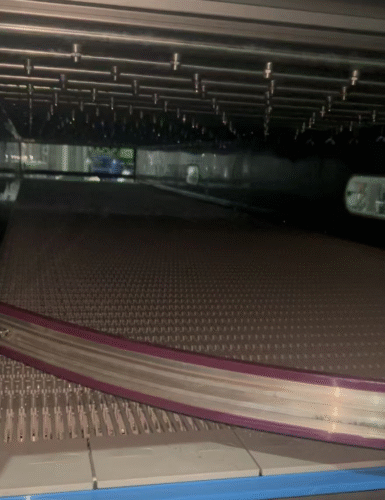
The beer tunnel pasteurizer is the most critical supporting equipment for bottled/canned beer lines.
6.1 Standard Process
Infeed → Preheating → Pasteurization → Holding → Gradual Cooling → Drying → Discharge
6.2 Typical Technical Parameters
| Item | Standard Value |
|---|---|
| Temperature Range | 25–75°C |
| PU Control | 15–30 PU |
| Temperature Accuracy | ±0.5°C |
| Capacity | 6,000–36,000 bottles/h |
| Heating Method | Steam / Electric |
| Material | SUS304 Stainless Steel |
| Conveyor Speed | 110–550 mm/min |
Data from Food Control 2025: tunnel pasteurization retains 96% of beer’s original aroma components, far better than high-temperature sterilization.
6.3 Craft Beer Application
- Gentle temperature rise/fall protects hop aroma
- Low breakage rate & stable PU
- Suitable for export and long shelf life
- Compatible with glass bottles and cans
7. Beverage Tunnel Pasteurizer: Applications for Juices, Tea, RTD & CSD
The beverage tunnel pasteurizer supports almost all shelf-stable beverages.
7.1 Applicable Products
- Fruit & vegetable juices
- RTD tea & coffee
- Sports & energy drinks
- Dairy drinks
- Carbonated soft drinks (CSD)
- Functional drinks
- Wine coolers & flavored beverages
7.2 Typical Process Parameters
| Product | Temperature | Holding Time | PU Range |
|---|---|---|---|
| Juice | 85–95°C | 30–60 s | 15–25 |
| Tea Drink | 82–90°C | 20–40 s | 12–20 |
| Dairy Drink | 72–85°C | 15–30 s | 10–18 |
| CSD | 65–75°C | 20–40 s | 12–22 |
8. Performance Comparison & Technical Data Tables
Pasteurizer Tunnel Core Performance Data
| Item | Beer Tunnel Pasteurizer | Beverage Tunnel Pasteurizer |
|---|---|---|
| Suitable Products | Beer, cider, malt drinks | Juices, tea, RTD, dairy, CSD |
| Typical Temperature | 60–65°C | 72–95°C |
| PU Range | 15–30 PU | 10–25 PU |
| Capacity Range | 6,000–36,000 bph | 5,000–30,000 bph |
| Heating Mode | Steam preferred | Electric/steam optional |
| Container | Glass, can | Glass, PET, can |
| Shelf Life Extension | 6–12 months | 6–12 months |
Tunnel Pasteurizer vs Batch Pasteurizer
| Item | Pasteurizer Tunnel | Batch Pasteurizer |
|---|---|---|
| Production Mode | Continuous | Intermittent |
| Efficiency | High | Low |
| Automation | Full automatic | Semi-automatic |
| Labor Cost | Low | High |
| Suitable Scale | Medium-large | Small |
| Temperature Uniformity | Excellent | Good |
| Bottle Breakage | Low | Medium |
9. Advantages of Tunnel Pasteurization in Industrial Production
Continuous & High-Speed
Matches high-speed glass bottle beer filling lines and beverage filling lines.
Gradient Temperature Protection
Greatly reduces bottle/can breakage; protects flavor, nutrition and carbonation.
Precise PU Control
Ensures food safety and batch stability.
Wide Compatibility
Adapts to glass, PET, can of multiple sizes.
Hygienic & Easy Cleaning
SUS304 structure, CIP-friendly, low microbial risk.
Energy Recycling
Counter-current water circulation saves 20–30% energy.
10. Tunnel Pasteurization vs Other Sterilization Methods
10.1 Tunnel Pasteurization
- Post-packaging
- Mild heat, preserves quality
- Low breakage
- Standard for beer tunnel pasteurizer
10.2 Flash Pasteurization (HTST)
- Pre-filling sterilization
- Fast, but requires high hygiene
- Risk of recontamination
10.3 Retort Sterilization
- High temperature & pressure
- Long shelf life but damages flavor
10.4 Cold Pasteurization (Membrane)
- No heat, best flavor
- High cost, limited application
11. Equipment Selection Guide for Brewers & Beverage Producers
When selecting a pasteurizer tunnel, follow these engineering principles:
- Product Positioning
- Beer → choose beer tunnel pasteurizer
- Juice/tea → choose beverage tunnel pasteurizer
- Line Speed MatchingCalculate required capacity (bph) to determine tunnel length and width.
- Heating ModeLarge scale → steam; small/medium → electric.
- Temperature AccuracyRequire ±0.5°C; PLC automatic control.
- Zoning DesignAt least 5–8 zones for gentle gradient.
- Material & HygieneFull SUS304, waterproof spray nozzles, easy cleaning.
- After-Sales & SoftwareData logging, fault alarm, remote support.
12. Installation, Operation & Maintenance Best Practices
12.1 Installation
- Level foundation, reserved maintenance space
- Proper pipeline connection for steam/electricity/water
- Calibrate all temperature sensors
12.2 Daily Operation
- Check nozzles, pumps, belts before startup
- Monitor temperature consistency
- Record PU and production data
- Ensure smooth conveying
12.3 Maintenance
- Daily: clean spray nozzles and filters
- Weekly: check conveyor tension
- Monthly: calibrate sensors and PID parameters
- Yearly: full inspection and replacement of wearing parts
13. Intelligent & Energy-Saving Development Trends
- Intelligent PU Automatic CalculationAI adjusts time and temperature in real time.
- IoT Remote MonitoringMobile APP control, fault pre-alarm.
- Heat Recovery SystemsReduce energy consumption by 25–35%.
- Flexible Multi-Product RecipesOne machine for beer, juice, tea, etc.
- Low-Carbon & Lightweight DesignMeet global carbon neutrality goals.
14. Conclusion
- Beer tunnel pasteurizer protects beer flavor, foam and shelf life.
- beverage tunnel pasteurizer supports various drinks with stable sterilization.
15. References
- Journal of Food Engineering, 2024, PU Control and Quality Stability in Tunnel Pasteurization
- Food Control, 2025, Thermal Processing Optimization for Packaged Beverages
- Master Brewers Association of the Americas (MBAA), 2025, Tunnel Pasteurization Handbook
- Grand View Research, 2025, Global Tunnel Pasteurizer Market Report
- Beverage Manufacturing International, 2025, Continuous Sterilization Technology
 English
  Russian
  Arabic
  French